




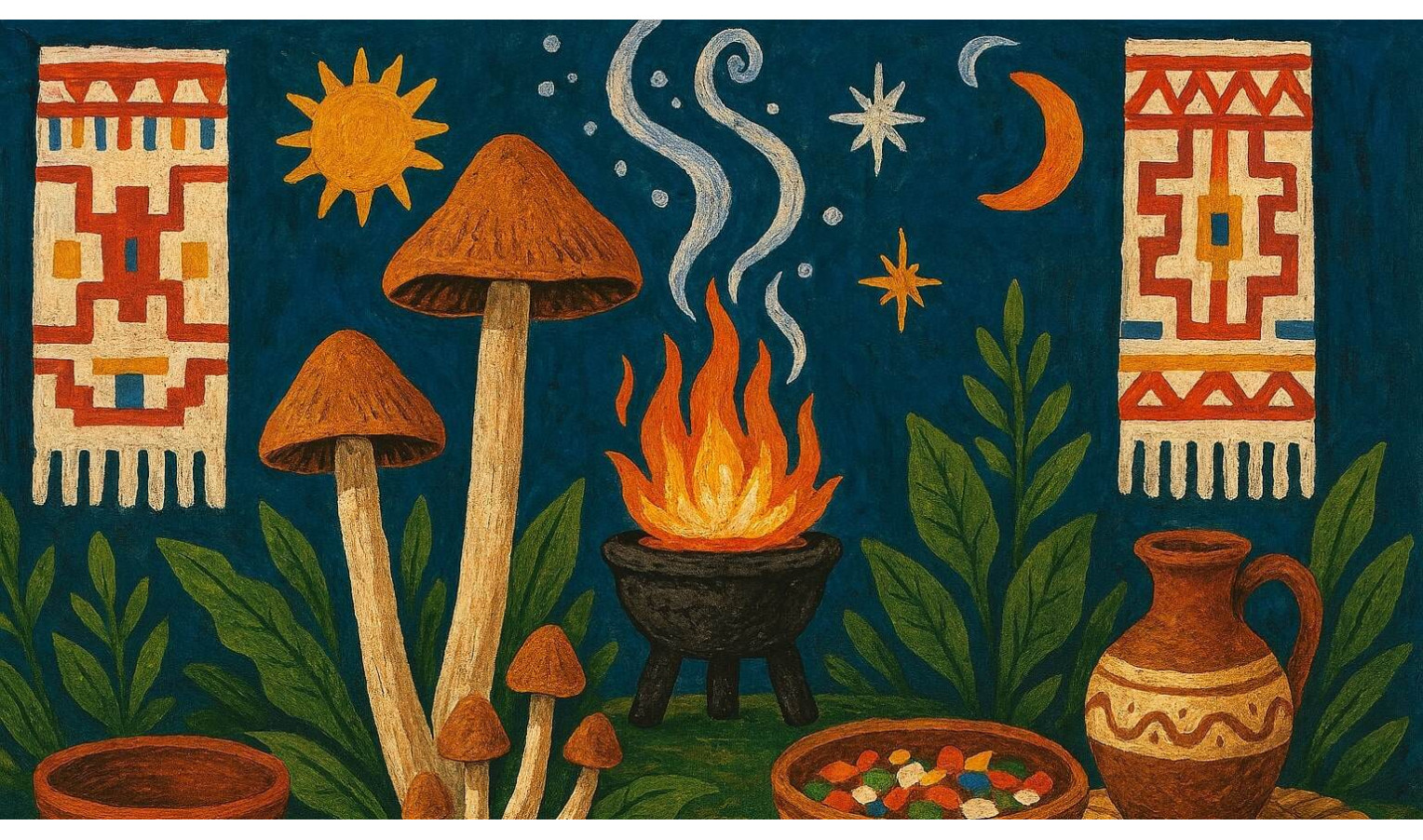
Psilocybin mushrooms, or sacred mushrooms as the priests called them, occupied a central place in the spiritual life of Mexico's indigenous peoples. Their use in traditional rituals dates back to ancient times and is associated with the search for contact with the spirit world.
Historical roots and meaning of sacred mushrooms
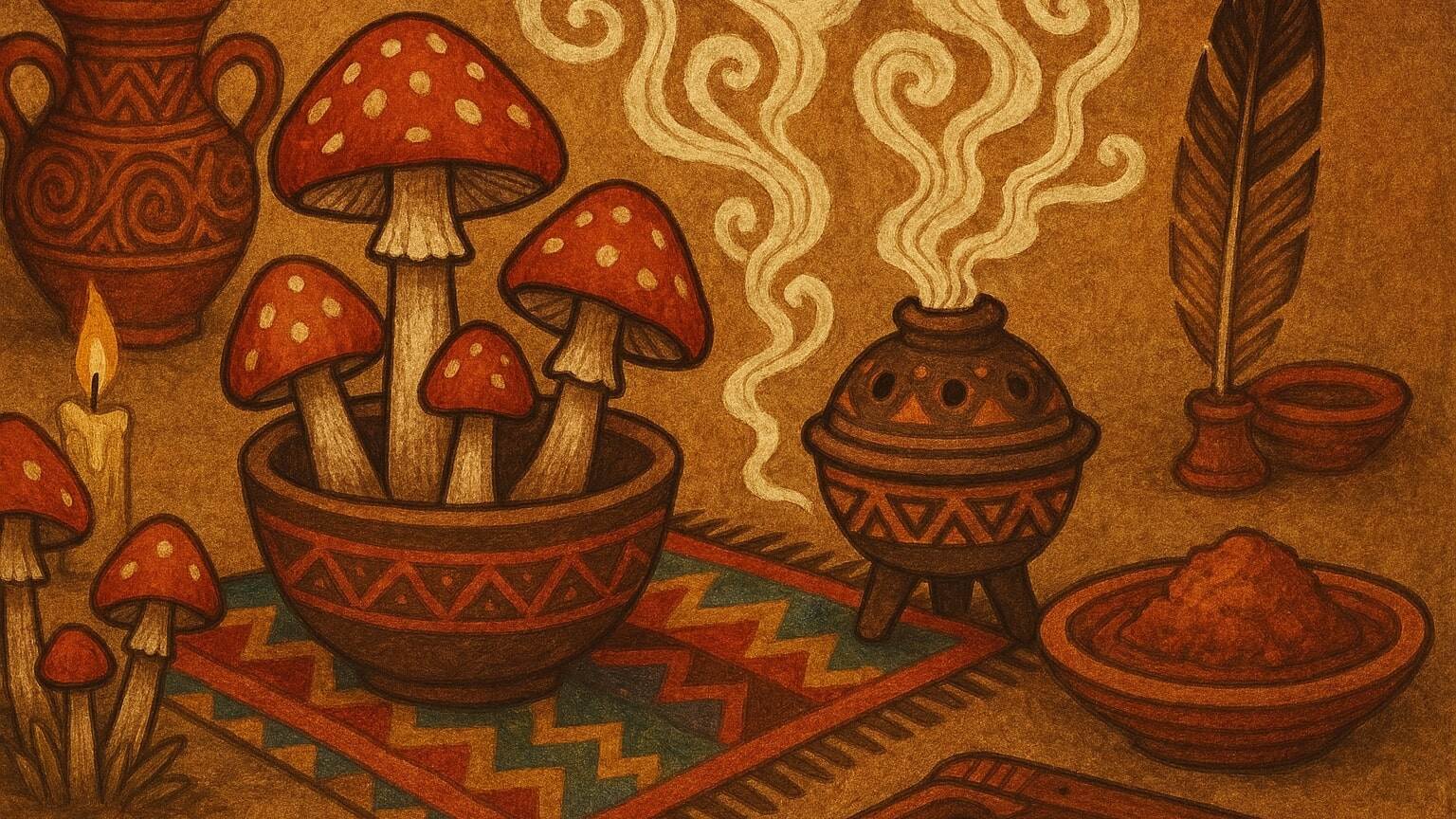
Within Mesoamerican traditions, mushrooms were viewed as sacred tools that allowed shamans and priests to enter altered states of consciousness and receive revelations necessary for spiritual ceremonies and mystical practices.
Interestingly, ancient sources focused not only on ritual use but also on cultivation. For example, in a modern context, researchers ask, "Do psilocybin mushrooms require feeding during growth?" While this is primarily a technical issue, it highlights how deeply rooted the understanding of these organisms is in culture and practice. For shamans, however, the primary focus was not cultivation, but the sacred significance of mushrooms as intermediaries between humans and the divine world.
Shamanic practices and healing rituals
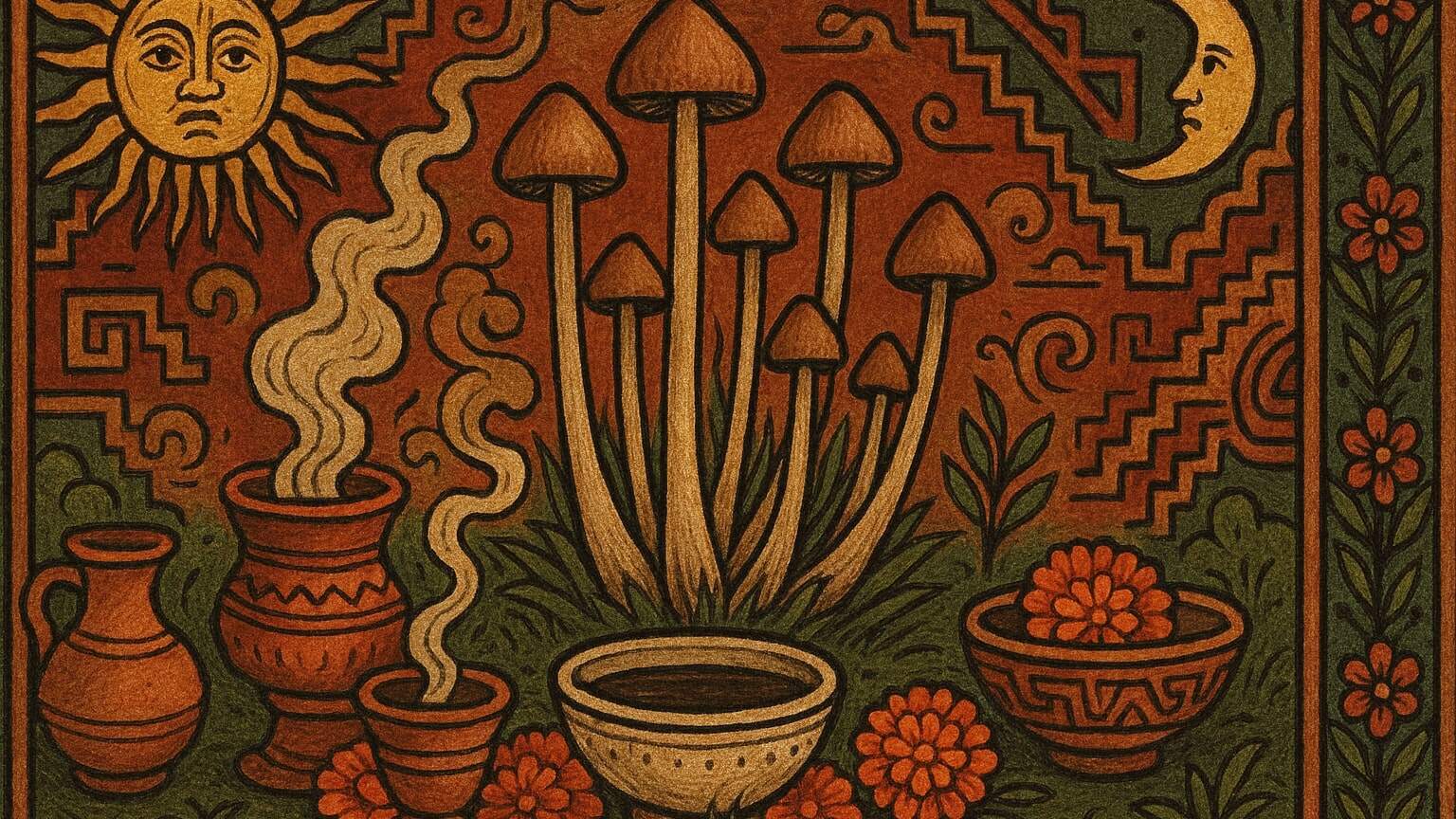
In the traditions of indigenous peoples of Mexico, the use of sacred mushrooms was not simply part of rituals—it was considered the key to understanding the spiritual world. Psilocybin mushrooms were used in special shamanic practices, where shamans became conduits between people and the forces of nature.
To better understand their role, several areas of application can be identified:
- Community healing - the shaman performed spiritual ceremonies aimed at restoring harmony between body and soul.
- Search for knowledge - through visions, the shaman received answers to the community's questions, strengthening its connection with nature.
- Mystical practices—the use of mushrooms in rituals opened access to sacred knowledge and the secrets of the universe.
- Teaching students—participating in rituals—helped young shamans understand the basics of shamanism and mushrooms.
In the context of modern research, the question often asked is: "What is psilocybin and where is it found?" The scientific answer is simple: it is a psychoactive substance found in several species of mushrooms, which have long been used in traditional rituals. For ancient shamans, however, the most important thing was not the chemical explanation, but the sacred power of mushrooms, capable of opening the way to healing and spiritual insight.
Modern significance and cultural heritage
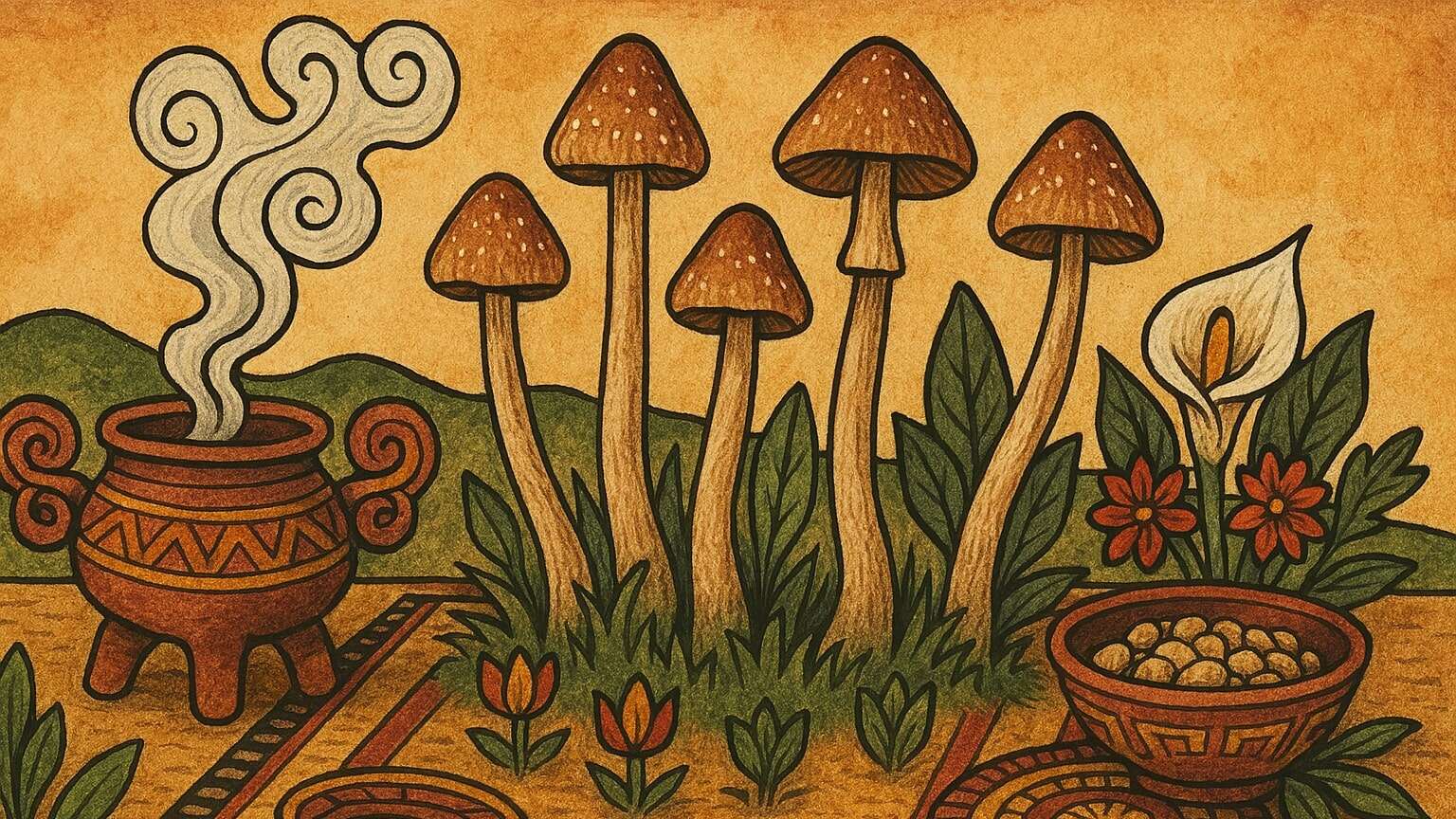
Today, interest in psilocybin mushrooms extends far beyond ethnography and history. Scientists, researchers, and cultural scholars are paying attention not only to their role in traditional rituals and spiritual ceremonies but also to their potential impact on modern society. Questions surrounding how the ancient indigenous peoples of Mexico used sacred mushrooms in rituals help us better understand the richness of Mesoamerican traditions and their contribution to global culture.
Particular attention is given to the topic of "Psilocybin and Mental Health." Modern research views this substance not only as part of sacred practices but also as a potential tool for studying consciousness, emotional states, and even therapy. While shamans focused primarily on healing rituals and mystical practices, today scientists are trying to understand how this ancient knowledge can be useful in the context of psychology and medicine.
Thus, the use of mushrooms in rituals becomes not only a cultural heritage, but also a bridge between the past and the future—from the sacred practices of shamanism to modern discussions about the role of psilocybin in understanding humanity and its inner world.
Important!!! This article is for informational purposes only. We do not promote the use of prohibited substances.