




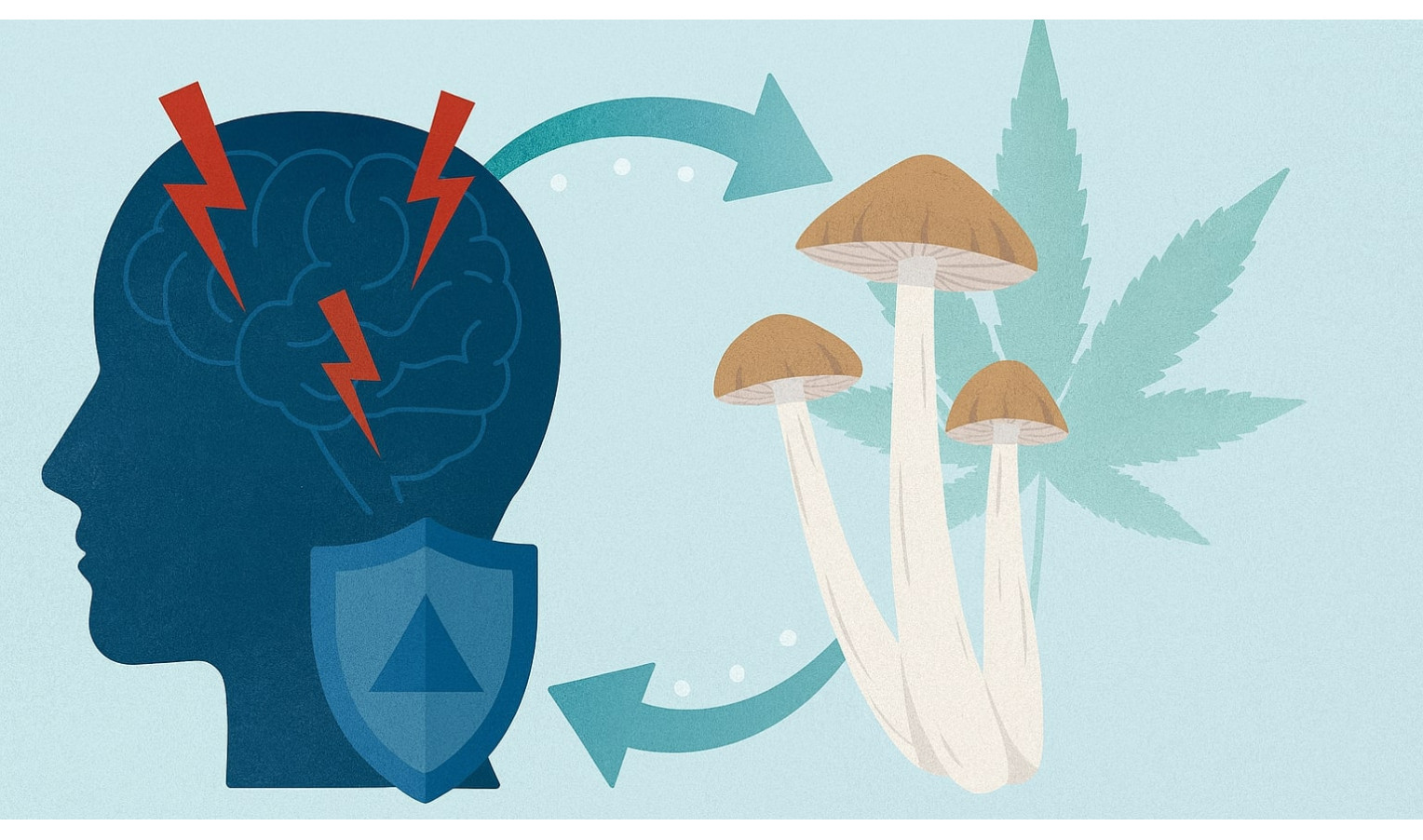
Psilocybin and the brain is a key area of modern research, as its interaction with neural networks determines its therapeutic potential. When ingested, psilocybin is transformed into psilocin, which affects serotonin receptors. This mechanism allows for the restructuring of habitual thought patterns and the reduction of negative memories associated with trauma.
Psilocybin and its role in psychedelic therapy
In the context of psychedelic therapy, specialists note that psilocybin facilitates deeper engagement with the subconscious. Patients are able to safely process traumatic experiences, making it a promising tool for PTSD treatment. Furthermore, psilocybin psychotherapy helps reduce anxiety and stress, creating conditions for restoring emotional balance.
Thus, psilocybin's benefits lie not only in alleviating the symptoms of post-traumatic stress disorder, but also in expanding the capabilities of modern psychedelic medicine, where the focus is not on symptom suppression, but on a deeper rethinking of the traumatic experience.
Psilocybin research and clinical prospects
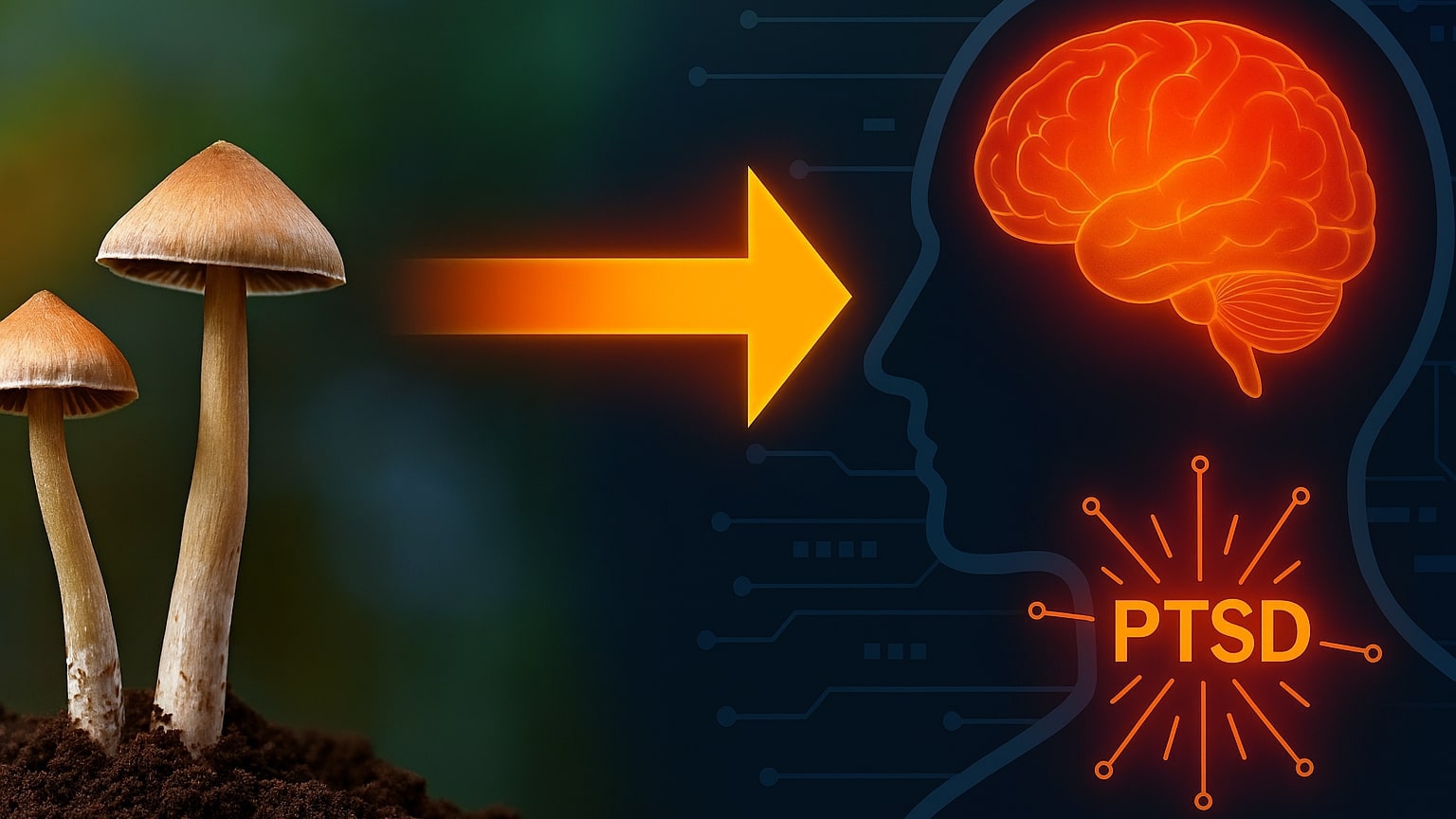
Recent scientific research demonstrates that psilocybin has the potential to significantly transform the treatment of post-traumatic stress disorder. The focus is not only on its therapeutic effects, but also on broader possibilities related to how psychedelic substances and creativity interact in psychotherapy.
Main research areas:
- Reducing PTSD symptoms
Clinical observations show that psilocybin helps reduce the intensity of flashbacks, nightmares, and anxiety, making it a promising psychedelic treatment for PTSD. - Regulation of the stress response
An important aspect is studying the relationship between psilocybin and stress. Research confirms that the substance promotes a more gradual adaptation of the body to traumatic memories, reducing physiological stress. - Impact on depressive states
Since PTSD is often accompanied by depression, special attention is being paid to the "psilocybin and depression" approach. Patients report improved mood and increased motivation after treatment. - Creativity and psychotherapy
Researchers note that psychedelic substances and creativity are closely linked: under the influence of psilocybin, patients develop new ways of understanding traumatic experiences. This helps them find innovative solutions and develop more resilient behavior patterns. - An integrated approach to medicine
Psychedelic medicine views psilocybin as part of integrative therapy, where pharmacological effects are combined with psychotherapeutic practices, enhancing the overall result.
Psilocybin therapy and reduction of PTSD symptoms
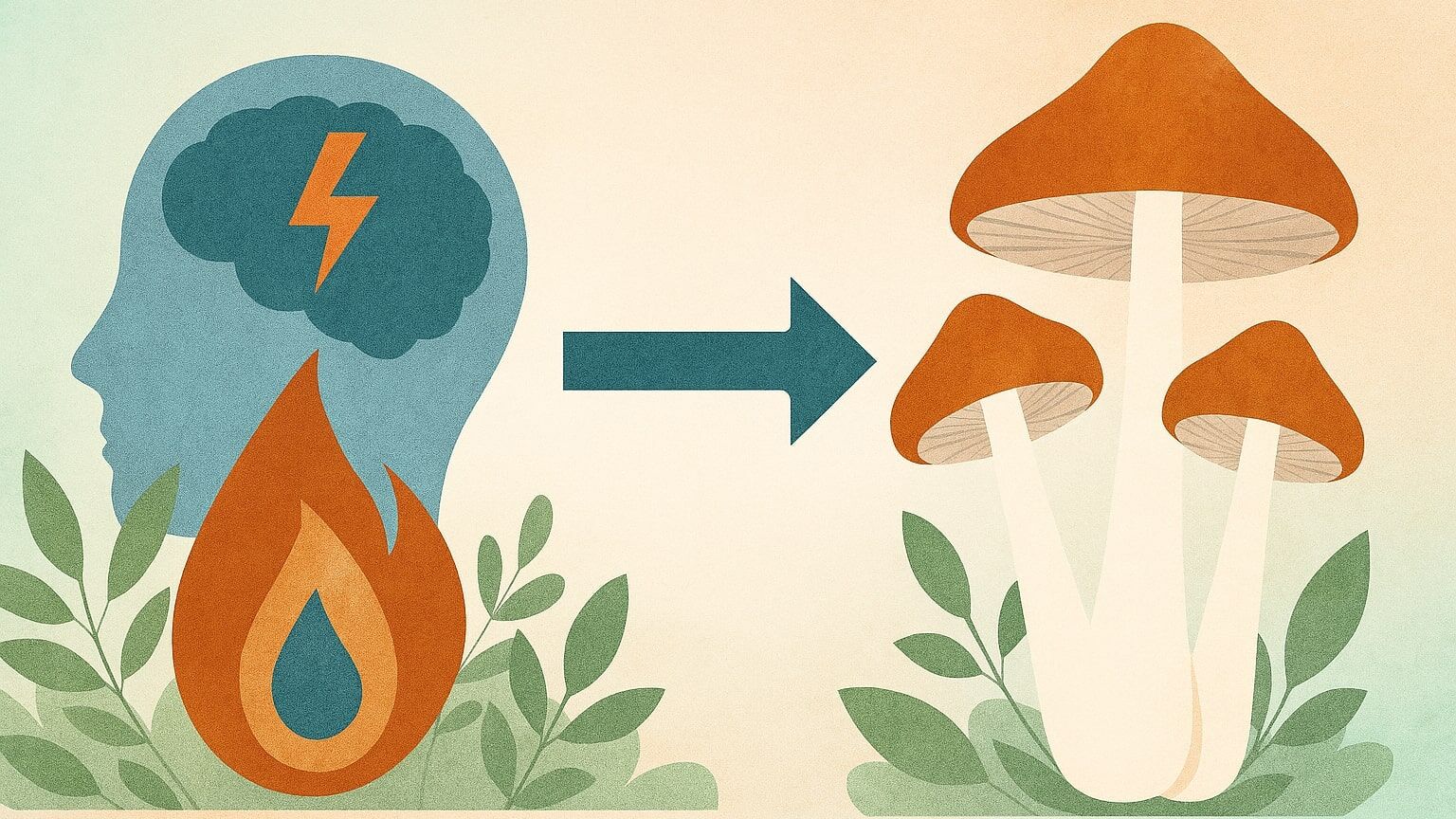
The use of psilocybin in clinical practice is considered an innovative approach to treating post-traumatic stress disorder. Unlike traditional methods, psilocybin therapy aims not only to suppress symptoms but also to deeply re-evaluate the traumatic experience.
Particular attention is paid to the phenomenon of mental trauma to the body, when emotional experiences become ingrained at the physiological level and manifest as chronic tension, pain, or sleep disturbances. Psilocybin helps patients understand the connection between the mind and body, reducing the intensity of these symptoms and promoting balance.
Main effects of therapy:
- Anxiety reduction – Research shows that psilocybin reduces levels of internal tension and fear.
- Reduced flashbacks – patients are less likely to experience intrusive memories of the trauma.
- Emotional balance – through deep work with the subconscious, a person gains the ability to integrate traumatic experiences without destructive consequences.
- The complex effect—the combination of pharmacological action and psychotherapy—enhances the results, making psychedelic medicine a promising direction for future treatment.
Thus, psilocybin for the treatment of PTSD symptoms opens new horizons in psychiatry, allowing us to work not only with the psyche but also with the physical manifestations of trauma, creating a holistic approach to health restoration.
Important!!! This article is for informational purposes only. We do not promote the use of prohibited substances.