




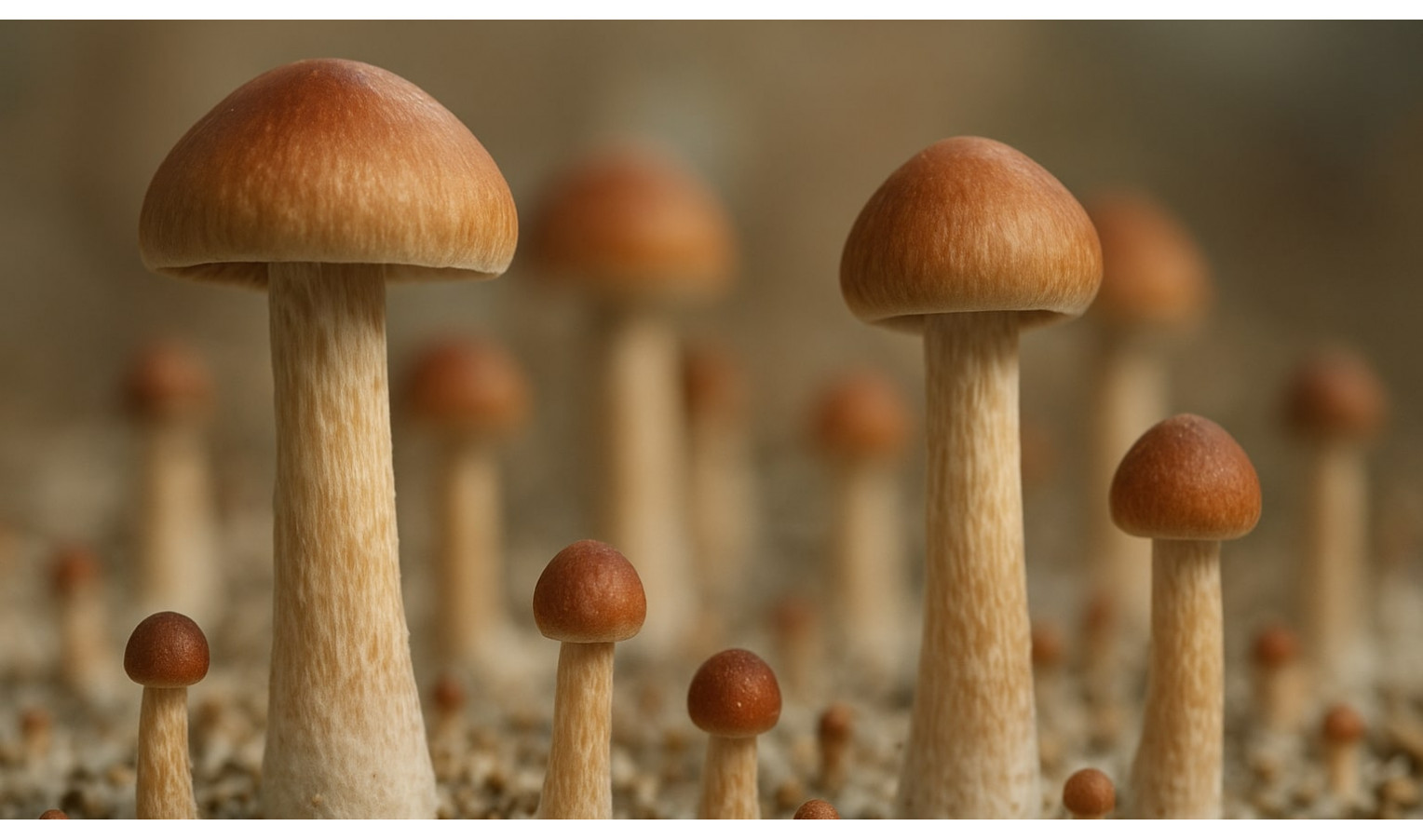
Growing psilocybin mushrooms begins with carefully preparing the mushroom substrate, as it is the main source of nutrition for the mushroom mycelium. During the inoculation stage, it is important to sterilize the substrate to prevent contamination by competing microorganisms.
Basics of cultivation and the role of the substrate
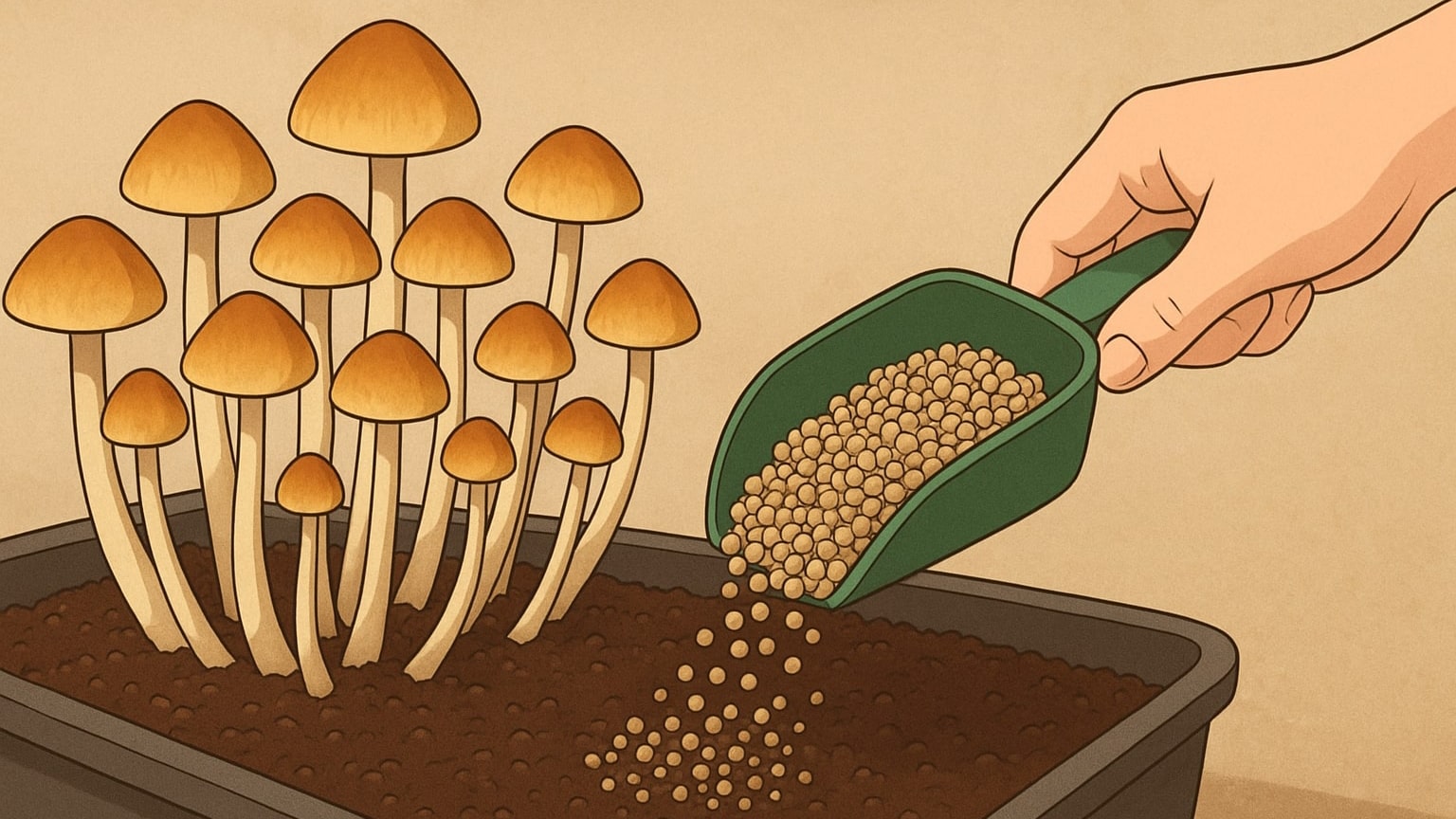
Mushroom cakes are formed from grain or vermiculite mixtures that contain essential nutrients for mushrooms and provide a start to growth.
Caring for mushrooms in the early stages boils down to maintaining stable growing conditions: temperature and humidity must remain within the optimal range, otherwise the mycelium may develop unevenly. With proper substrate preparation, feeding the mushrooms is usually not necessary during this period—there are sufficient nutrients to support the formation of a healthy mycelium structure.
Interestingly, the discussion of fertilizing mushrooms during growth sometimes extends beyond purely agricultural issues. In the scientific community, comparisons of psilocybin with other psychedelics under study are common, emphasizing that the quality of the substrate and cultivation conditions directly impact the stability and concentration of active compounds. Therefore, proper substrate management and mushroom care are important not only for mushroom yield but also for understanding their research value.
Fertilizing and fruiting conditions
Once the mushroom mycelium has fully colonized the mushroom substrate, a key stage begins—fruiting. This is where the question arises: is additional mushroom nutrition necessary to increase mushroom yield?
Nutrient supply in the substrate
- Most substrate recipes are initially designed for several waves of mushroom fruiting.
- With proper substrate inoculation and mushroom care, feeding at this stage is often not required.
Methods of maintaining fruiting
- Using mushroom casing helps retain moisture and stimulate new waves of fruiting.
- Cake rehydration is used to restore moisture and extend the life cycle of mushroom cakes.
- Under conditions of intensive fruiting, mushroom abortions or mycelial overlay are possible, which requires careful monitoring.
Practical conditions of cultivation
- Temperature and humidity for mushrooms must remain stable, otherwise the mushroom yield will decrease.
- Growing psilocybin mushrooms in a propagator with a heating mat allows you to maintain an optimal microclimate, especially in cool rooms.
- This approach reduces the risk of the substrate drying out and ensures more uniform waves of fruiting.
Therefore, feeding mushrooms during fruiting is not mandatory if the substrate has been properly prepared. It is much more important to create stable growing conditions and use proper care methods, such as casing, rehydration, and humidity control.
Practical advice from experienced growers
Proper care of the mushrooms plays a key role in the final stage of psilocybin mushroom cultivation. Fertilizing the mushrooms can be considered an additional measure, but creating stable growing conditions is far more important. Temperature and humidity determine how successfully the mushrooms will fruit and maintain their yield.
| Stage of development | Temperature (°C) | Humidity (%) | Care Features |
| Colonization of the substrate | 24–27 | 70–75 | Maintain sterility and avoid drying out. |
| The beginning of fruiting | 22–24 | 85–90 | Casing of mushrooms is possible, control over the appearance of mycelium overlay |
| Waves of fruiting | 21–23 | 90–95 | Rehydrating cakes to prevent fungal abortions |
| The final growth cycle | 20–22 | 85–90 | Lowering temperatures to stimulate the last waves of fruiting |
Practical tips:
- Rehydrating cakes helps maintain high humidity and stimulate new waves of fruiting.
- If the temperature is too high, mycelium overlay may occur, which will reduce the mushroom yield.
- Fertilizing mushrooms can be useful only in cases of obvious substrate depletion, but most often proper microclimate control is sufficient.
Thus, temperature and humidity are the main factors determining the success of growing psilocybin mushrooms, while nutrition plays a secondary role.
Important!!! This article is for informational purposes only. We do not promote the use of prohibited substances.