




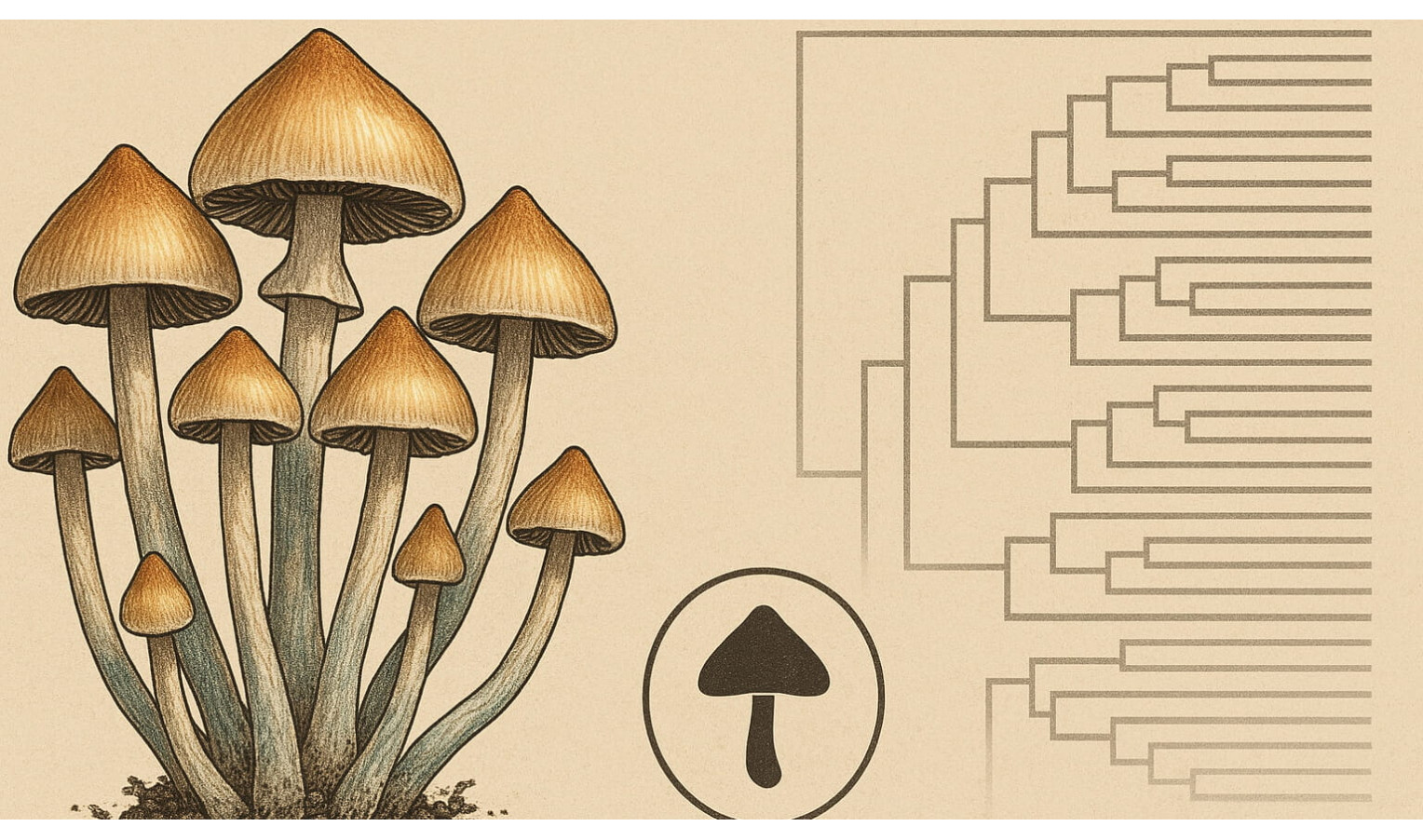
Psilocybin mushrooms, also known as psychedelic mushrooms of the genus Psilocybe, have long attracted the attention of scientists and cultural researchers. Their unique biochemical properties, including the synthesis of psilocybin and psilocin, make them not only a subject for neurobiological research but also a model for understanding the evolution of fungi in general.
Historical and biological context
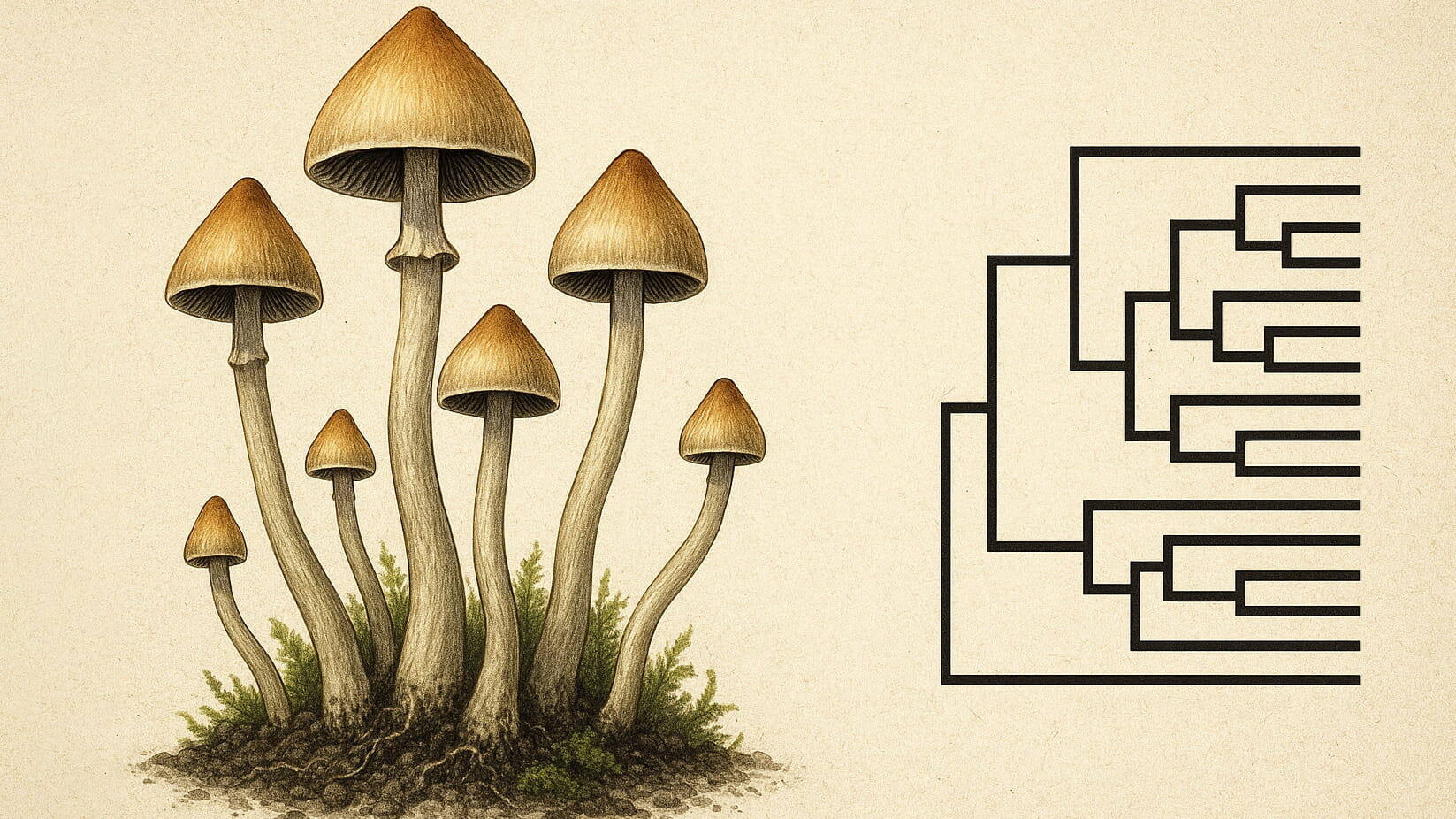
Psilocybin mushrooms, or psychedelic mushrooms of the genus Psilocybe, are a unique group of organisms that have become an important subject for mycology and neurobiology. Their history traces back to ancient ritual practices, where they were used as a means of altering consciousness. Today, scientists are focusing not only on their cultural heritage but also on the biology of the mushrooms, their genetics, and biochemistry.
Of particular interest is the question of how psilocybin mushroom spores differ from those of other fungi. From a fungal evolutionary perspective, their spores demonstrate unique adaptations related to dispersal and survival in specific ecological niches. These differences help researchers view Psilocybe mushrooms as a model for studying evolutionary processes, where the biochemistry and genetics of fungi are closely intertwined with the history of their interactions with humans.
Thus, the history of psilocybin mushrooms is not only a cultural phenomenon, but also a key to understanding how the evolution of mushrooms has shaped their unique properties, including the ability to synthesize psilocybin and psilocin.
Biochemistry and Genetics: Psilocybin Synthesis as an Evolutionary Mechanism
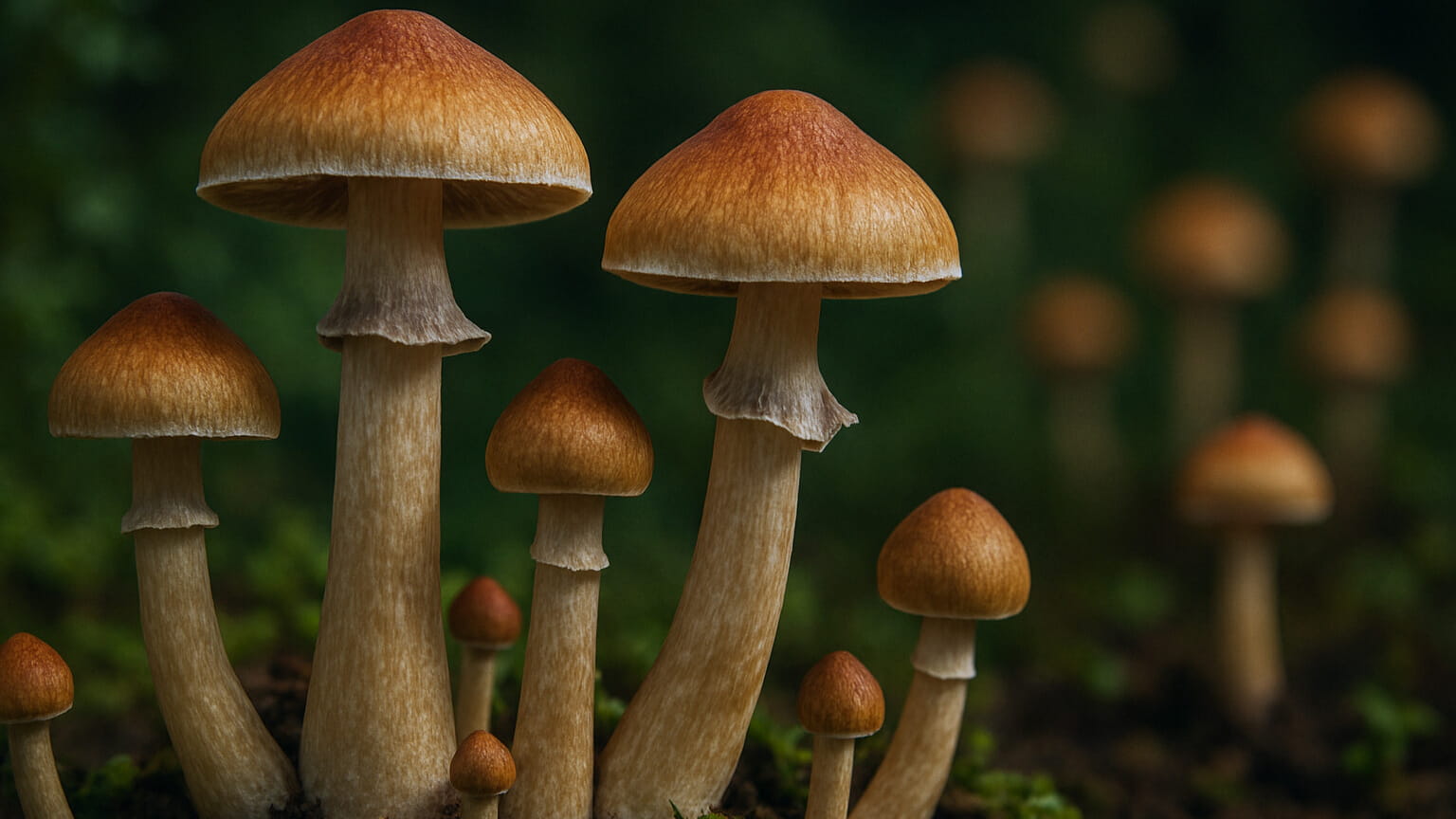
Psilocybin mushrooms provide a striking example of how fungal biochemistry and genetics shape unique evolutionary strategies. The synthesis of psilocybin and its metabolite, psilocin, is accomplished by specific fungal enzymes that have become entrenched in the Psilocybe genome and part of their evolutionary model.
To better understand the significance of these processes, several key aspects can be highlighted:
Genetic basis of synthesis
- Genes responsible for psilocybin biosynthesis show stability across different Psilocybe species.
- These genes form evolutionary patterns that show how fungal biochemistry has adapted to its environment.
Biochemical pathways and enzymes
- Psilocybin synthesis involves sequential reactions in which fungal enzymes play a central role.
- Mushroom biochemistry in this case becomes the key to understanding how psychedelic mushrooms evolved the ability to produce serotonergic psychedelics.
Evolutionary significance
- It is believed that psilocybin synthesis may have been an adaptive response to the interaction of mushrooms with animals, preventing them from being eaten.
- Phylogenetics shows that the ability to synthesize psychoactive compounds arose independently in different lineages of fungi.
Comparison of psilocybin with other psychedelics under study
- Unlike LSD or mescaline, psilocybin is of natural origin and is linked to the evolution of mushrooms.
- Its action on the brain's serotonergic receptors makes it a unique target for neurobiology.
- This comparison helps us understand why psychedelic mushrooms have become a model for studying fungal biochemistry and evolution.
Psilocybin Mushrooms in Modern Science: From Neurobiology to Evolution
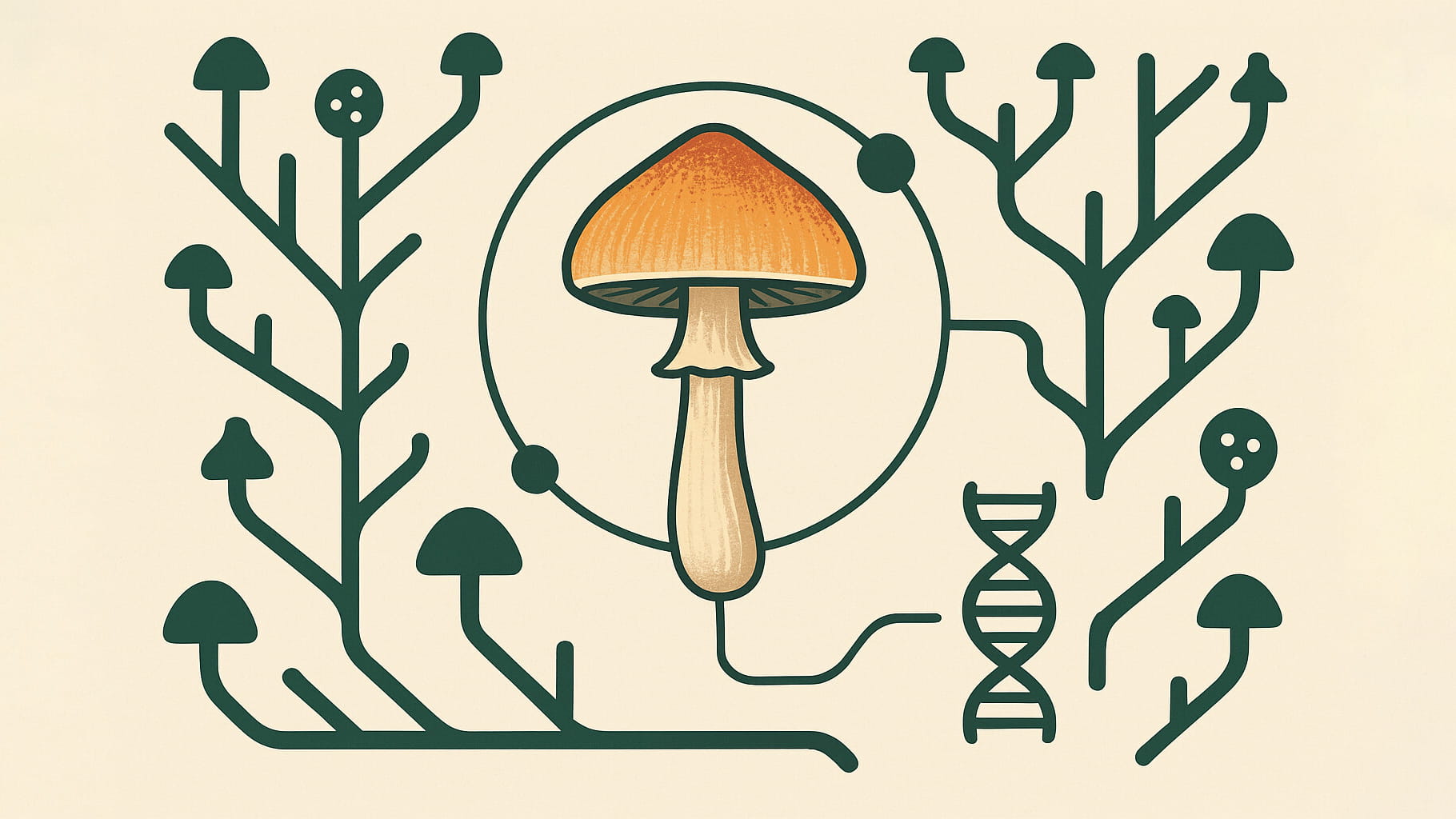
Modern psilocybin research extends far beyond psychopharmacology. Scientists view psychedelic mushrooms as a model for studying fungal evolution, linking their biochemistry with genetics and phylogenetics. This makes Psilocybe mushrooms a key model for analyzing how serotonergic psychedelics are integrated into fungal biology and their evolutionary strategies.
Interestingly, the practical aspects of cultivation also provide scientific insight. For example, the question of "Lighting in the cultivation of magic mushrooms" is considered not only in the context of agricultural practices but also as a factor influencing the morphology and biology of mushrooms. Light conditions help explore how external stimuli can trigger or regulate biochemical processes, including psilocybin synthesis.
Thus, modern science unites:
- Mycology is the study of the morphology and ecological niches of fungi.
- Neurobiology - analysis of the effects of psilocybin and psilocin on the human brain.
- Evolutionary models - comparing the development of psychedelic mushrooms with other groups.
- Fungal biochemistry - the study of enzymes and metabolic pathways.
This is why psilocybin mushrooms are considered a unique model where practical aspects of cultivation and fundamental research combine, opening new horizons for understanding the evolution of mushrooms.
Important!!! This article is for informational purposes only. We do not promote the use of prohibited substances.