




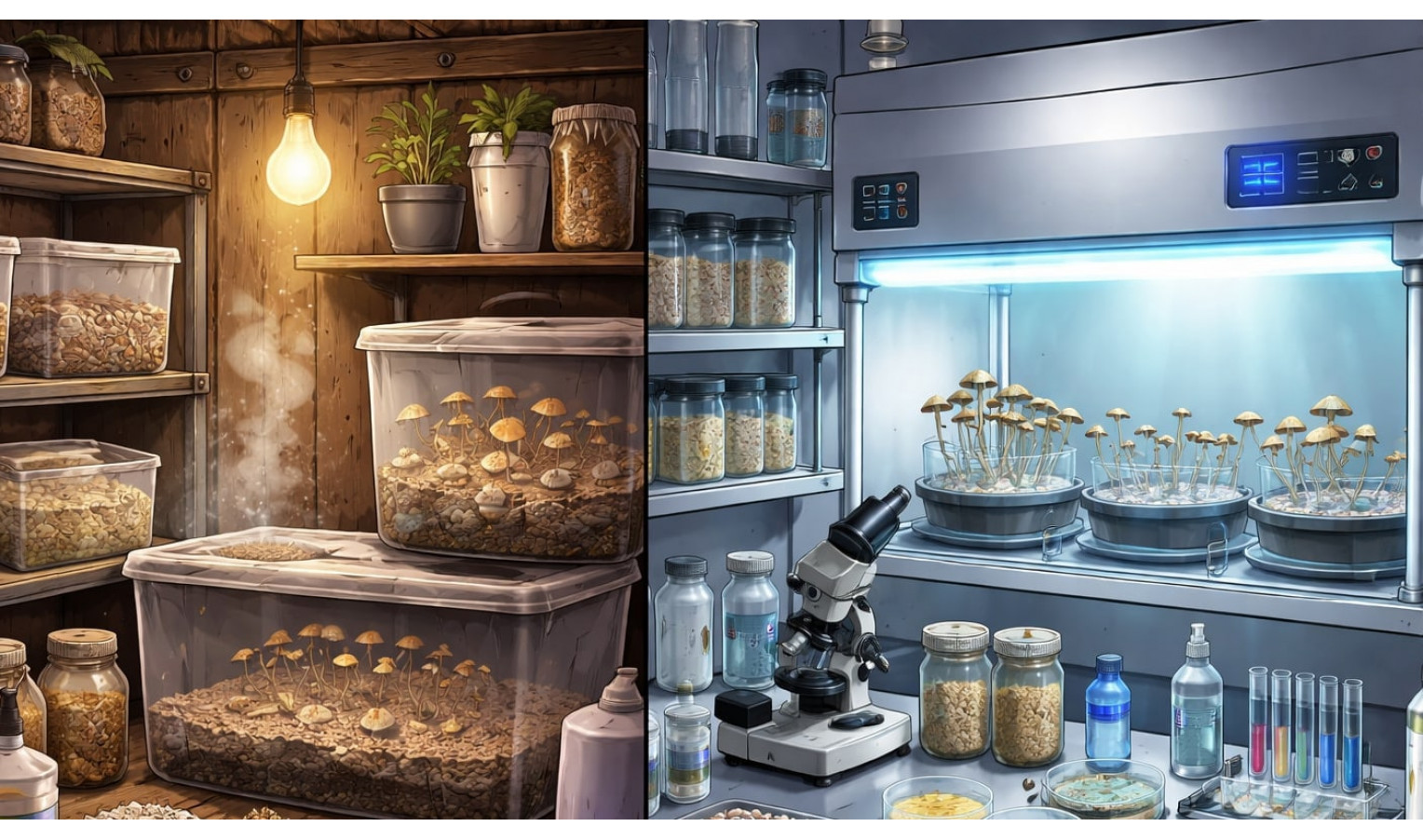
Interest in mushroom cultivation has grown significantly in recent years, especially with species like psilocybin mushrooms. Cultivation practices are developing in two directions: amateur mushroom cultivation and rigorous laboratory cultivation. These approaches differ in their goals, conditions, and results, making the topic of comparing cultivation methods particularly relevant for mycology researchers and enthusiasts.
Hobby mushroom growing: simplicity and limitations
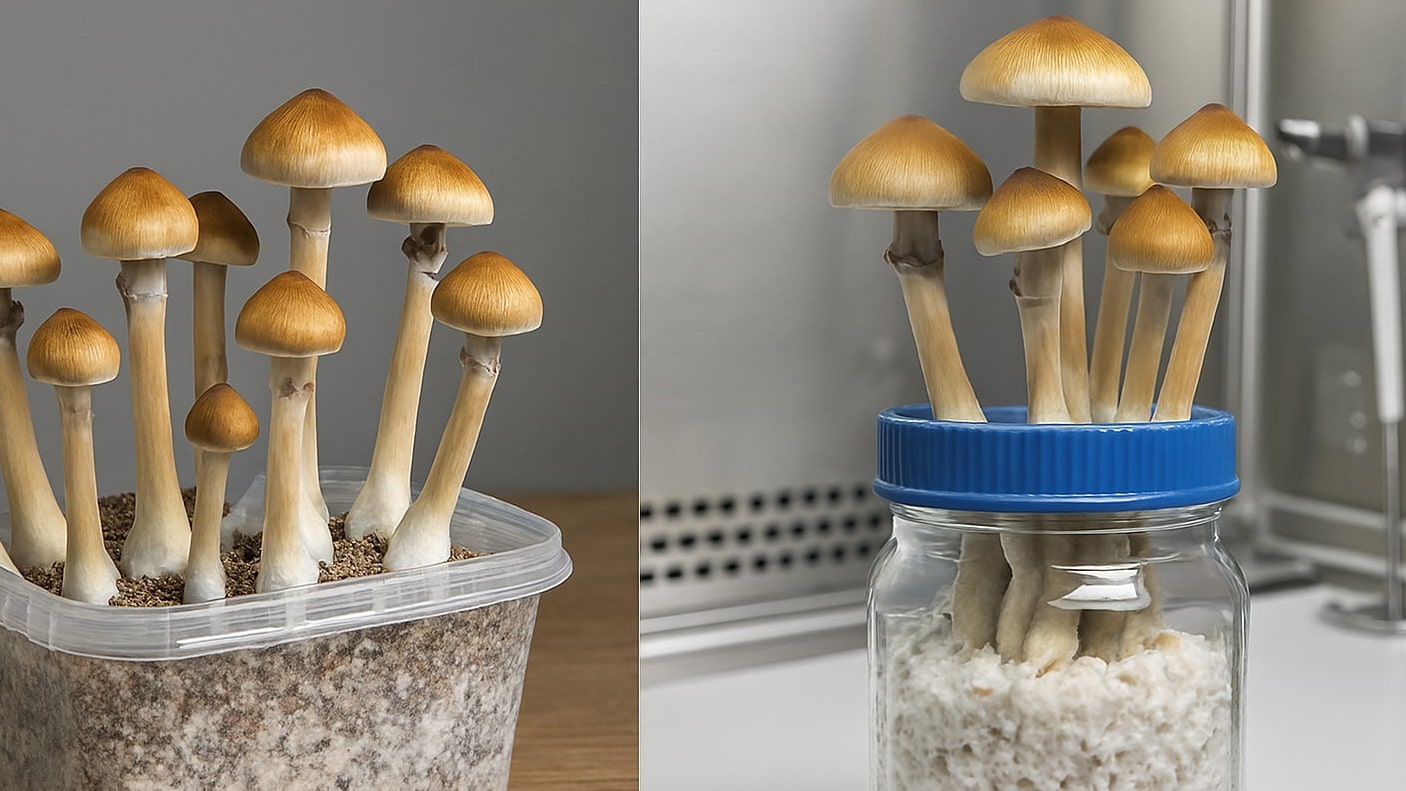
Hobby mushroom growing remains the most accessible method for those just beginning their exploration of mycology. The process involves preparing a substrate for the mushrooms, inoculating the spores, and incubating them until a full-fledged mycelium forms. Enthusiasts often use readily available growing equipment, such as containers, bags, and household humidifiers.
The main challenge is maintaining high levels of sterility when growing mushrooms. Even the slightest intrusion of foreign microorganisms can destroy the harvest. This is why home growing requires careful attention and regular monitoring of conditions such as temperature, humidity, and ventilation.
An interesting question that often arises among beginners is: "Do psilocybin mushrooms need feeding during growth?" In practice, everything depends on the quality of the original substrate. If it is properly prepared and contains sufficient nutrients, additional feeding is not necessary. However, when experimenting, some hobbyists try adding organic components, which can affect the rate of mycelium development but also increases the risk of infection.
Thus, amateur growing is a balance between simplicity and risk, where success largely depends on accuracy and an understanding of the basic principles of mushroom growing methods.
Laboratory cultivation of mushrooms: standards and control
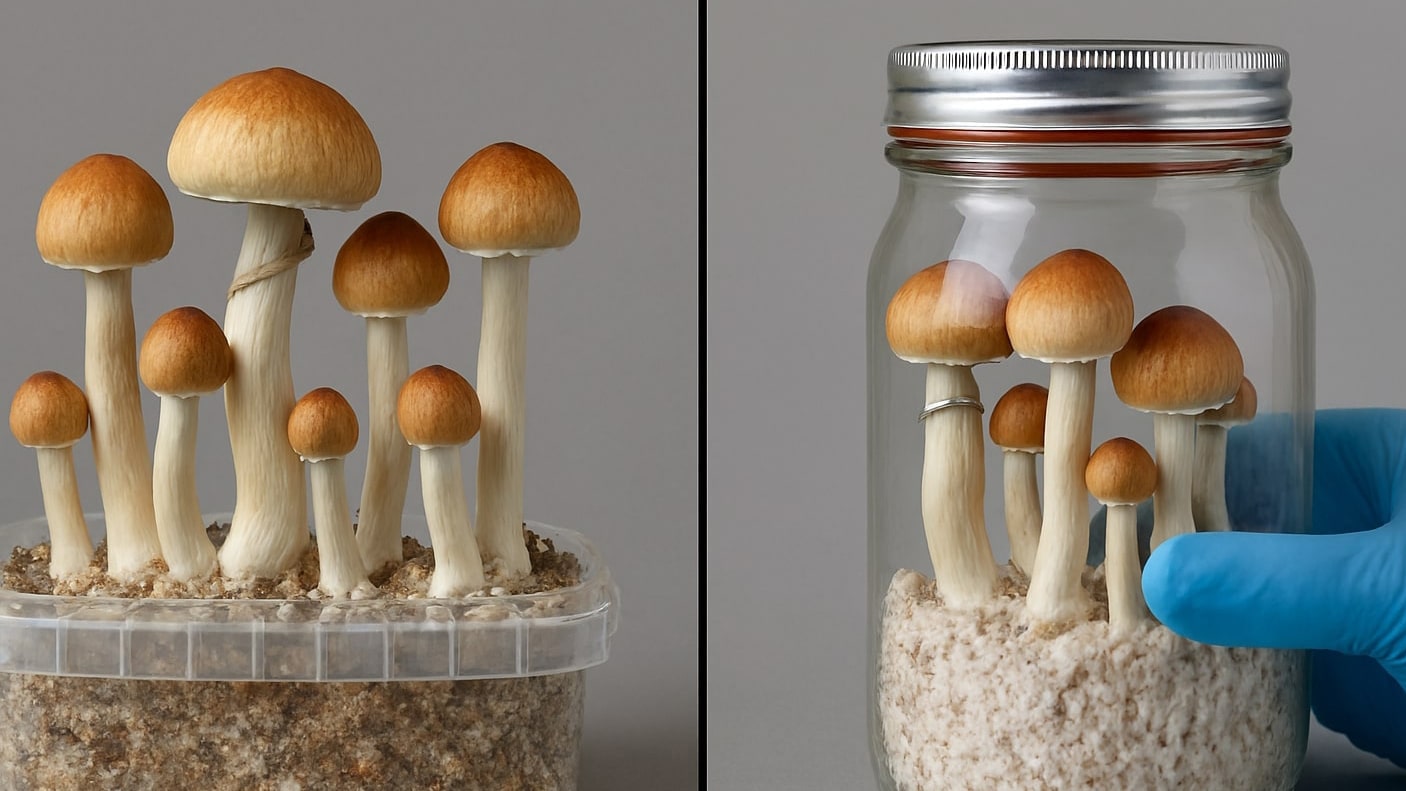
Laboratory cultivation of mushrooms is characterized by strict adherence to protocols and the use of specialized equipment. This approach ensures high sterility and predictable results, which is especially important when cultivating psilocybin mushrooms for scientific purposes.
The main elements of laboratory growing can be summarized as follows:
- Sterile environment. The use of laminar flow cabinets, autoclaves, and sterile boxes minimizes the risk of substrate contamination.
- Parameter control. Temperature, humidity, and ventilation are automatically regulated, creating optimal conditions for mushroom cultivation.
- Lighting for growing magic mushrooms. The laboratory uses specialized lighting modes to stimulate fruiting body growth and maintain a stable development cycle.
- Storing mushroom spores. Spores are stored under controlled conditions, allowing them to be used for repeated inoculation without loss of quality.
- Growing equipment. Incubators, sensors, and monitoring systems allow you to track every stage—from mycelium formation to harvest.
Thus, laboratory methods provide a high level of control and reproducibility, making them indispensable for mycological research and the development of new mushroom cultivation methods.
Comparison of cultivation methods: efficiency and goals
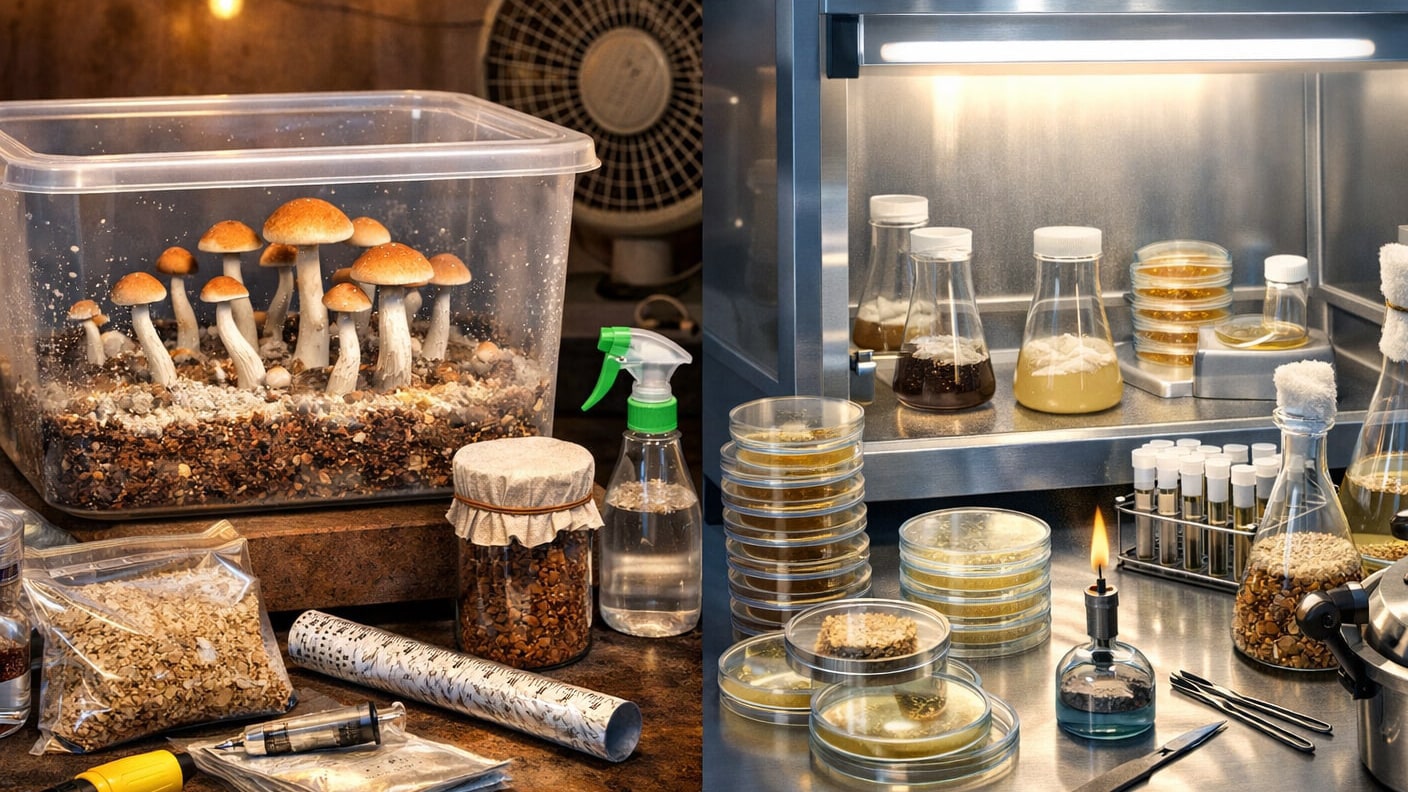
When comparing mushroom growing methods, it's important to consider not only the equipment and level of sterility, but also the ultimate goals of the cultivation.
- Hobby mushroom growing emphasizes accessibility and simplicity. Here, enthusiasts often experiment using a minimal set of tools and materials at hand. This approach helps master the basic principles of mycology, but the results can be unpredictable.
- In laboratory mushroom cultivation, stability is a key advantage. Scientists and specialists strictly control all parameters, including temperature and humidity, for psilocybin mushrooms, which ensures standardized results and reduces the risk of contamination.
- In both cases, the decisive factor remains the quality of the mushroom substrate and proper spore inoculation, as the formation of healthy mycelium and the final yield depend on these stages.
Thus, the amateur method is more suitable for training and practice, while the laboratory method is more suitable for research and obtaining reproducible data. The choice depends on the goals: experimentation and learning or the pursuit of precision and control.
Important!!! This article is for informational purposes only. We do not promote the use of prohibited substances.